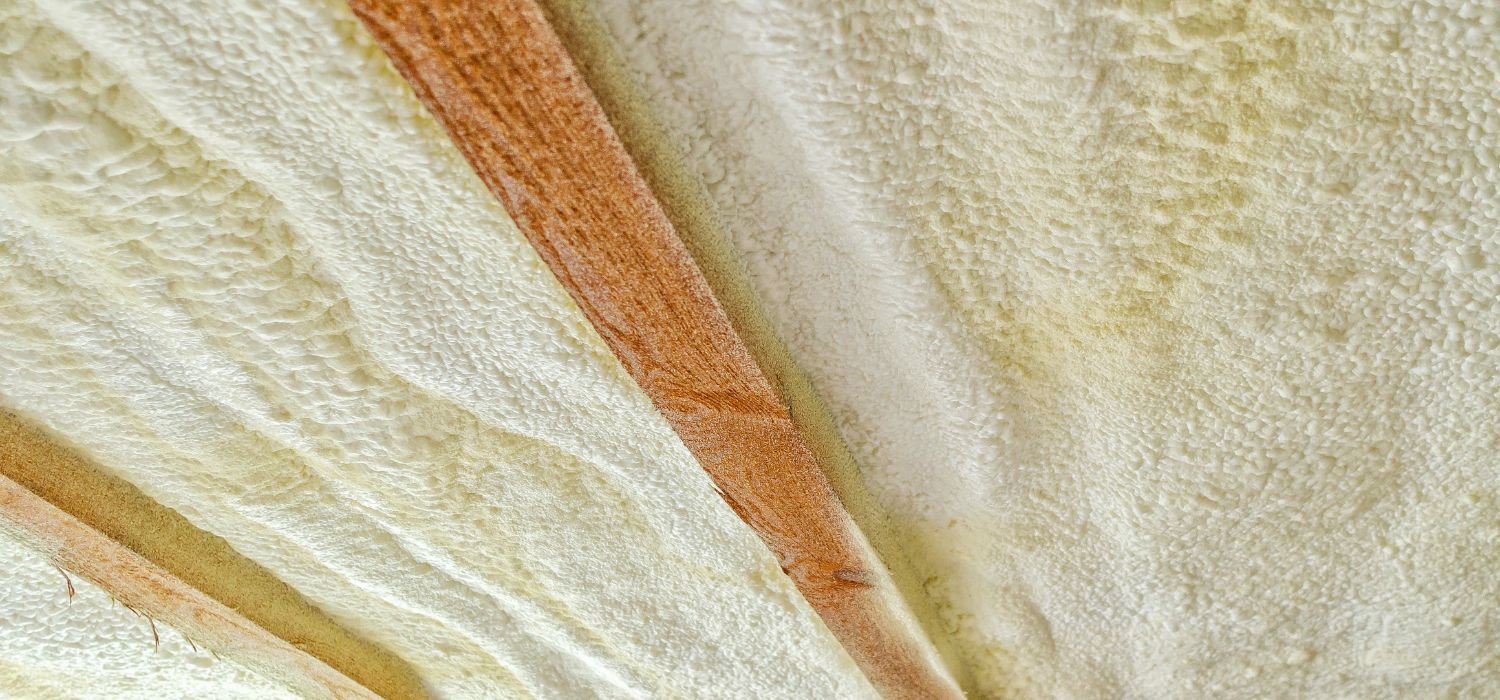
Spray foam insulation is an effective way for North Alabama homeowners to lower heating and cooling costs while improving comfort and moisture control. It creates an airtight thermal envelope, reduces drafts, and can improve indoor air quality. In this article, we’ll summarize the main benefits, cost considerations, and practical factors to help you evaluate spray foam versus conventional insulation.
Spray foam offers superior sealing that improves energy efficiency and reduces HVAC runtime. It also limits outdoor allergens and moisture intrusion, lowering the risk of mold and protecting the building structure.
Spray foam expands to fill gaps and cracks, creating a continuous air barrier that reduces conditioned-air loss. That improved envelope often lowers heating and cooling bills and can allow homeowners to recoup installation costs over several years through energy savings.
At Tennessee Valley Spray Foam LLC, we provide local installations tailored to North Alabama homes, with a focus on proper application to maximize efficiency gains.
By sealing gaps, spray foam reduces the entry of dust, pollen, and other outdoor pollutants into the home. Its moisture-resistant properties—especially with closed-cell foam—help reduce condensation and lower the risk of mold in walls and ceilings.
Local pricing varies with demand, labor, and project specifics. Huntsville rates tend to be slightly higher, while Decatur can be more competitive. Long-term energy savings typically offset the higher up-front cost for many homeowners.
Price depends on foam type (open- or closed-cell), area size, access and prep work, and installation complexity. Closed-cell options cost more but deliver a higher R-value and better moisture resistance. Open-cell options are less expensive for interior applications.
Spray foam usually has a higher up-front cost than fiberglass or cellulose but offers better air sealing and a higher R-value per inch. Over time, lower energy bills and reduced replacement needs can make spray foam more economical.
Open-cell foam is economical for interior use where moisture isn’t critical. Closed-cell foam is denser, offers a higher R-value, resists moisture, and is often the better choice in humid areas for long-term savings.
The main differences are density, R-value, and moisture resistance. Open-cell is lighter and less costly. Closed-cell delivers greater insulation per inch and provides structural rigidity and vapor resistance.
North Alabama’s humidity often makes closed-cell foam recommended in moisture-prone areas. In drier or interior-only applications, open-cell can be sufficient and more cost-effective.
To get the most value, combine quality installation with regular checks and energy-smart habits:
These steps help preserve performance and extend the financial benefits of the insulation.
Our commercial applications include roof, wall, and industrial insulation systems that improve energy use, moisture control, and indoor air quality. Local insulation contractors, including us at Tennessee Valley Spray Foam LLC, offer tailored services for business needs.
Properly installed spray foam can last for decades—often 20–30 years or more—while retaining thermal performance when not exposed to damage or excessive moisture.
Yes. Spray foam is commonly used in attics, crawl spaces, and wall cavities for retrofit work. Installers access these areas to fill gaps and create an airtight seal.
During installation and curing, spray foam can emit volatile organic compounds. Proper ventilation and following the installer’s safety protocols minimize risks. Once cured, foam is generally inert.
Spray foam reduces operational energy use, lowering greenhouse gas emissions over time. Manufacturing and chemical components can raise environmental concerns, so consider more eco-friendly products when available.
Often, yes—many homeowners recover a portion of the installation cost through energy savings over several years, particularly when air sealing addresses major leaks.
Do-it-yourself is possible for small projects, but not recommended for whole-house work. Professional installers have the equipment and training to ensure safe, effective application and code compliance.
Spray foam insulation can reduce energy bills, improve comfort, and control moisture when selected and installed to match local conditions. Evaluating foam type, installation quality, and project scope will help North Alabama homeowners and businesses decide if spray foam is the right investment. Contact us to learn more about this effective insulation material.
Address: Huntsville, AL 35802
Phone: (256) 932-3458
Business Hours:
Mon - Sat: 7:00 AM to 5:00 PM
Sun: Closed
Huntsville, AL • Madison, AL • Guntersville, AL • Scottsboro, AL • Decatur, AL • Hazel Green, AL • Fayetteville, TN • Meridianville, AL • Mt Carmel, AL • Priceville, AL • Mooresville, AL • Athens, AL • Woodville, AL • New Market, AL • Gurley, AL • Hartselle, AL • Arab, AL • Albertville, AL • New Hope, AL • Grant, AL
Jobber Financing
5% Discount for Active Military/Combat Veterans, First Responders, and Nurses
Lifetime Warranty on Spray Foam