

Are you seeing high energy bills, cold rooms, or wondering whether you need insulation in Huntsville? If that sounds familiar, you are not alone. Research shows batt and fiberglass often last about seven to ten years, while blown-in cellulose can last ten to fifteen years.
This article lists clear signs to watch for and points out useful tools like thermal imaging and home energy assessments. It also explains options such as spray foam insulation and insulation removal. Read on to learn what to look for and how to act.
We track high energy bills as a clear sign of failing insulation. Many homeowners report skyrocketing electricity and utility bills because of poor home insulation.
Upgrading your insulation improves energy efficiency and cuts monthly utility use, which eases the load on your HVAC system. Thermal imaging technology and air sealing help us find leaks fast. Blown-in attic insulation offers an effective fix for many homes, and new attic insulation can extend the life of your HVAC systems.
We see uneven temperatures and other signs of poor insulation when one room stays hot while another stays cold. This is especially common in older homes or add-on rooms that swing between extremes.
We notice continuous HVAC operation as a red flag, since constant run cycles mean heat is moving but your home’s shell is not holding it. Poor HVAC ducting can also make these imbalances worse if the insulation in your walls or crawl spaces fails.
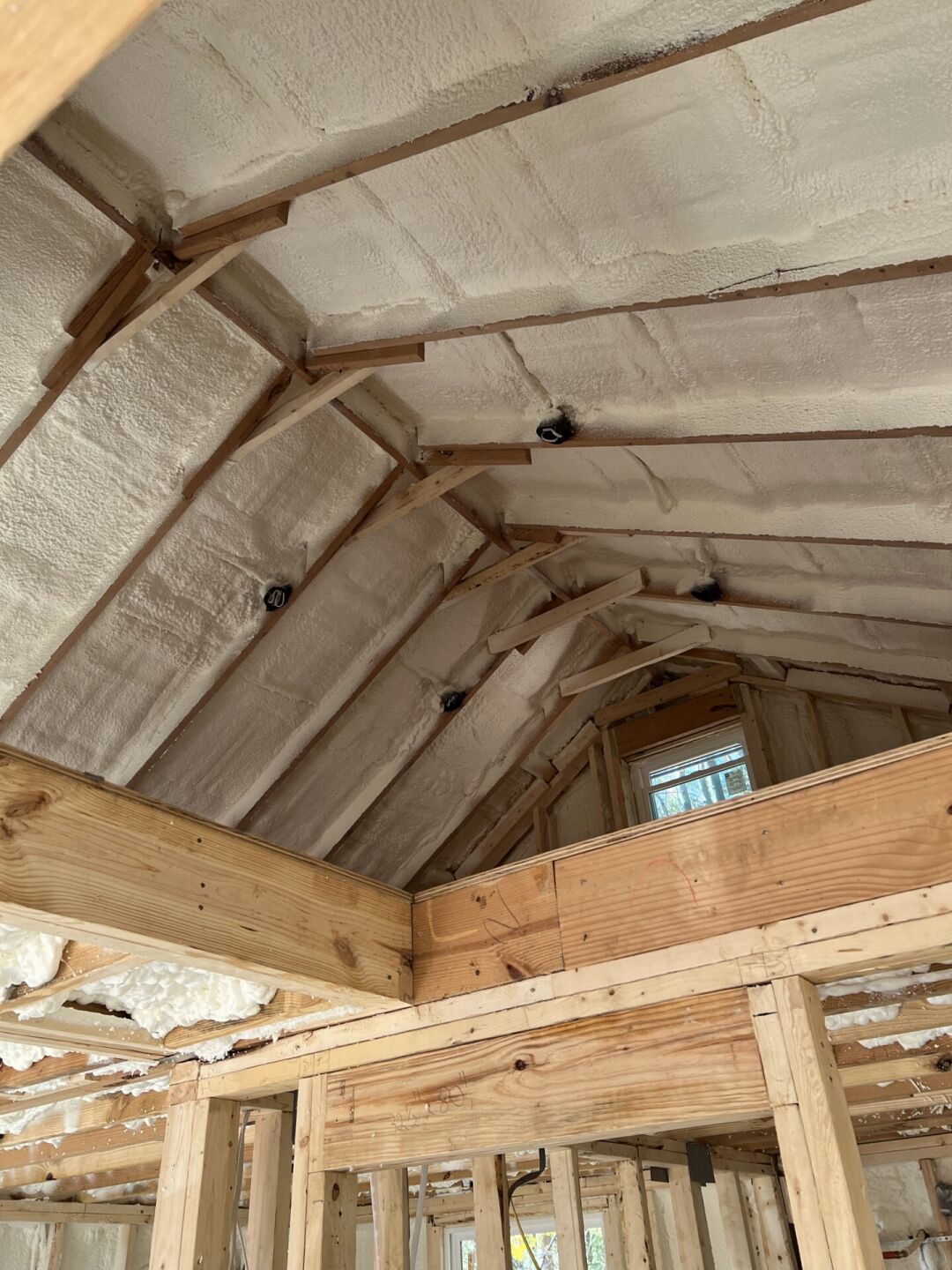
We recommend spray foam insulation to seal gaps and stop air leaks. We also suggest a professional energy audit to pinpoint leaks and weak spots. We push for comprehensive upgrades beyond just attic fill and blown-in insulation. We urge checking doors, adding weather-stripping, and sealing ducts for faster results.
Spray foam creates an airtight seal in tight spots much more effectively than batt or blown-in fiberglass insulation. We include crawl spaces, radon remediation, and attic insulation in our inspection list to help you stop drafts, mold growth, pest infestations, and frozen pipes.
Persistent drafts indoors signal a serious insulation issue. We often notice these drafts around windows, doors, and even electrical outlets. Air leaks can make your home uncomfortable and increase your energy usage.
Upgrading front and back doors and adding weather-stripping can reduce the impact of those unwanted breezes, as drafty rooms can quickly become frustrating spaces. You should consider modern insulated steel or fiberglass doors for effective draft reduction.
Cold floors and walls often signal insufficient insulation. We notice this issue primarily in crawl spaces or basements, especially in homes with older insulation. Signs like condensation on windows or cold surfaces clearly indicate poor insulation performance.
In places like Huntsville, the clay soil affects crawl space insulation and moisture control. To tackle these problems, we can install new materials such as blown-in fiberglass or spray foam. These solutions greatly improve comfort levels indoors.
Our services also include pipe wrap and duct wrap to insulate exposed areas effectively. Addressing cold floors and walls will significantly enhance your home’s comfort during the chilly months.
An overworked HVAC system is a strong signal of problems with your insulation. As we often observe, insufficient or aging insulation forces heating and cooling systems to work much harder than necessary.
This continuous operation increases wear and tear on your units, which in turn raises your energy consumption significantly. Effective insulation helps reduce your reliance on HVAC systems, ultimately lowering your energy usage and extending the lifespan of your equipment.
We notice that older heat pumps struggle when the insulation in attics and walls is poor. Upgrading your insulation standardizes indoor temperatures, allowing the HVAC system to maintain a comfortable environment with much less effort. If high energy usage persists even after insulating efforts, checking the efficiency of your old heat pump becomes crucial to ensure optimal performance in homes across the Tennessee Valley and beyond.
Moisture and mold inside your home signal serious issues. Mold growth from trapped moisture in old insulation poses health risks and creates unpleasant odors. High humidity or active leaks often lead to this exact problem.
Moisture-exposed insulation can also harm your indoor air quality, making it hard to breathe comfortably. You should watch for visible signs of mold in attics or crawl spaces. These are crucial indicators that your insulation needs replacement.
If you notice water damage, it is important to act quickly because moisture makes insulation ineffective over time and may lead to structural damage as well. Consulting a reliable company like Tennessee Valley Spray Foam allows you to address these concerns effectively before they worsen.
Pest infestations can pose serious problems for your home. Old insulation often serves as nesting material for rodents and insects. Evidence of pests, like nests or droppings in the attic or walls, signals that you need to act fast.
Contaminated insulation poses health risks due to the droppings and urine left behind by these creatures. Tennessee Valley Spray Foam can help you resolve this issue safely. We suggest using blown-in insulation that includes pest-repellent properties to combat infestations.
After removing the contaminated insulation, it is crucial to properly seal all entry points. This will stop future pest invasions and keep your home safe and comfortable.
Your home’s insulation should be effective and efficient. If it is over 15 to 20 years old, it is likely time to take action. Insulation materials age, eventually losing their ability to properly retain heat or cool air.
Batt or fiberglass insulation usually lasts between seven and ten years, while blown-in cellulose has a lifespan of about ten to fifteen years. Once these materials reach their limits, they no longer help you maintain energy efficiency.
We often find homes built before the 1980s with outdated insulation that completely lacks modern energy standards. Upgrading your insulation can lead to significant energy conservation and improved comfort in every room of the house.
This change will make a noticeable impact on your indoor environment. Therefore, evaluating your current insulation is essential for maintaining an energy-efficient home, and Tennessee Valley Spray Foam is here to help provide those critical services.
Ice dams clearly indicate poor attic insulation and ventilation. They form when heat escapes from your home, causing snow on the roof to melt. The melted water then refreezes at the eaves, creating a solid dam of ice.
This can lead to serious issues like active leaks or severe water damage inside your home, so we must address the problem quickly. New attic insulation helps maintain consistent roof temperatures and prevents these formations entirely.
Proper ventilation also plays a key role in preventing ice dams, as it allows airflow that keeps attic spaces cool in the winter months. Clearing your soffit vents is essential for proper airflow as well. We recommend scheduling insulation installation between October and March for optimal results against ice dam formation.
You must recognize the early signs that your home or building requires new insulation. Rising energy usage and uneven temperatures clearly indicate inefficiency, while persistent drafts and cold floors reveal air leaks that you simply cannot afford to overlook.
You should also carefully consider any moisture or mold problems, as these pose genuine health risks. Addressing these issues promptly with Tennessee Valley Spray Foam will help you maintain a comfortable living space while easily managing your energy use in the long run.
Address: Huntsville, AL 35802
Phone: (256) 932-3458
Business Hours:
Mon - Sat: 7:00 AM to 5:00 PM
Sun: Closed
Huntsville, AL • Madison, AL • Guntersville, AL • Scottsboro, AL • Decatur, AL • Hazel Green, AL • Fayetteville, TN • Meridianville, AL • Mt Carmel, AL • Priceville, AL • Mooresville, AL • Athens, AL • Woodville, AL • New Market, AL • Gurley, AL • Hartselle, AL • Arab, AL • Albertville, AL • New Hope, AL • Grant, AL
Jobber Financing
5% Discount for Active Military/Combat Veterans, First Responders, and Nurses
Lifetime Warranty on Spray Foam
