Crawl space insulation is a critical aspect of home energy efficiency, particularly in older homes in Huntsville, AL. Many homeowners may not realize that inadequate insulation can lead to a host of problems, including increased energy bills, moisture issues, and even health risks. This article will explore the real drawbacks of poor crawl space insulation, focusing on the unique challenges older homes in the region face.
You’ll also learn about the construction features that contribute to insulation problems, the financial implications of inefficient insulation, and the health risks associated with moisture and mold. Additionally, we’ll discuss effective solutions, such as spray foam insulation and crawl space encapsulation, to mitigate these issues.
Older homes in Huntsville often suffer from crawl space insulation problems due to a combination of construction features and local climate conditions. These homes were built when insulation standards were less stringent than they are today, creating vulnerabilities that can affect energy efficiency and indoor air quality.
Several construction features contribute to the vulnerability of older homes to poor crawl space insulation.
Understanding these construction features is essential for homeowners looking to improve their crawl space insulation.
Huntsville’s humid climate significantly affects the effectiveness of crawl space insulation. High humidity can lead to moisture accumulation, compromising insulation materials and creating an environment conducive to mold growth. Seasonal humidity fluctuations can further exacerbate these issues, making it crucial for homeowners to address crawl space insulation proactively.
Poor crawl space insulation can lead to increased energy bills and strain on HVAC systems. When insulation is inadequate, heat transfer and air leakage become significant issues, resulting in higher energy consumption.
Heat transfer occurs when warm air escapes from the home in winter and cool air escapes in summer. This process increases energy consumption as HVAC systems work harder to maintain comfortable indoor temperatures. Air leakage can account for up to 30% of a home’s heating and cooling costs, making effective insulation essential for energy efficiency.
Inefficient insulation not only raises utility costs but also increases wear and tear on HVAC systems. As these systems operate longer and more frequently to compensate for heat loss, their lifespan may be reduced, leading to costly repairs and replacements.
Moisture intrusion in poorly insulated crawl spaces can lead to serious health risks associated with mold growth. Understanding these risks is vital for homeowners to protect their families and maintain a healthy living environment.
Moisture intrusion creates an ideal environment for mold growth, which can lead to musty odors and visible mold infestations. Mold thrives in damp conditions and can spread rapidly, affecting indoor air quality and posing health risks to occupants.
Mold exposure can lead to numerous health issues, including respiratory problems, allergies, and other health conditions. Poor indoor air quality resulting from mold can exacerbate existing health issues, making it crucial for homeowners to address crawl space insulation and moisture control.
Inadequate insulation in crawl spaces can also lead to pest infestations and structural damage. Pests are attracted to damp, unsealed areas, which can compromise the home’s integrity.
Common pests that infest unsealed crawl spaces include termites, rodents, and various insects. These pests can cause damage to wooden structures and insulation materials, leading to costly repairs.
Pest activity can lead to wood rot and foundation issues, as pests like termites feed on wooden structures, weakening their integrity. This damage can compromise the home’s overall stability, making it essential for homeowners to proactively address insulation and pest control.
Poor crawl space insulation can significantly compromise indoor air quality, leading to various health issues. Understanding the connection between insulation and air quality is crucial for maintaining a healthy home environment.
Allergens and mold spores from crawl spaces can circulate throughout the home, affecting respiratory health. Individuals with allergies or asthma may experience worse symptoms due to poor indoor air quality caused by inadequate insulation.
Signs of poor indoor air quality include persistent musty odors, increased allergy symptoms, and visible mold growth. Homeowners should be vigilant for these signs and take action to improve crawl space insulation and overall air quality.
Spray foam insulation and crawl space encapsulation are effective solutions for addressing the drawbacks of poor crawl space insulation in older homes. These methods can significantly improve energy efficiency, moisture control, and indoor air quality.
Spray foam insulation creates an airtight seal that prevents energy loss and moisture intrusion. This insulation method expands upon application, filling gaps and cracks that traditional insulation may miss, resulting in a more energy-efficient home. The effectiveness of spray foam in improving energy efficiency and moisture control in existing homes has been well-documented through various case studies.
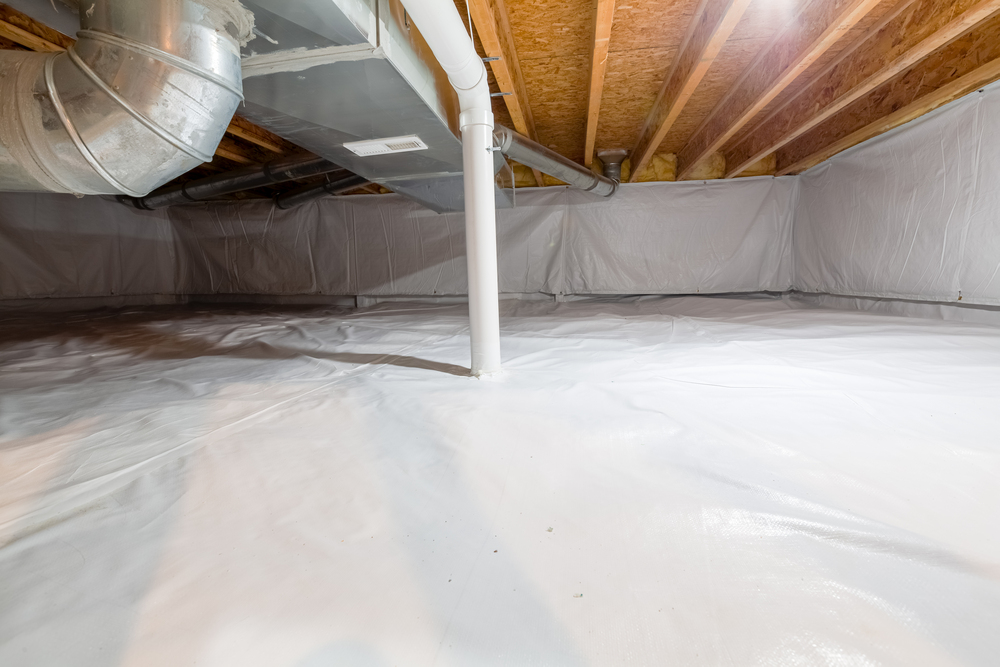
Crawl space encapsulation involves sealing the crawl space with a vapor barrier and insulating the walls, which helps control humidity levels and prevent mold growth. This process not only improves energy efficiency but also enhances indoor air quality, making it a valuable investment for homeowners.
Signs of poor crawl space insulation include persistent musty odors, increased humidity levels, and visible mold growth. Homeowners may also notice drafts or temperature fluctuations in their living spaces, particularly during extreme weather. Additionally, if you experience higher energy bills without a clear reason, it may indicate that your crawl space insulation is inadequate. Regular inspections can help identify these issues early, allowing for timely interventions to improve insulation and overall home comfort.
To assess the condition of your crawl space insulation, start by inspecting the area for visible signs of damage, such as sagging insulation, moisture stains, or mold growth. Check for gaps or cracks in the insulation material and ensure that it is properly installed. You can also use a moisture meter to measure humidity levels in the crawl space. If you’re unsure about the assessment, consider hiring an insulation contractor who specializes in crawl space evaluations to provide a comprehensive analysis.
Improving crawl space insulation offers several long-term benefits, including enhanced energy efficiency, reduced utility costs, and improved indoor air quality. Proper insulation helps maintain consistent indoor temperatures, reducing the workload on HVAC systems and extending their lifespan. Additionally, it minimizes moisture intrusion, which can prevent mold growth and pest infestations. Overall, investing in crawl space insulation can lead to a healthier living environment and increase your home’s value.
Many homeowners may qualify for government incentives or rebates when upgrading their crawl space insulation. Programs vary by state and locality, often aimed at promoting energy efficiency and reducing utility costs. Homeowners can check with local utility companies or government energy offices to find available programs. Additionally, tax credits may be available for energy-efficient home improvements, such as insulation upgrades, to help offset the project’s initial costs.
You should inspect your crawl space at least once a year for insulation issues, especially after severe weather events or changes in humidity levels. Regular inspections can help identify problems early, such as moisture accumulation, mold growth, or pest infestations. If you notice any signs of insulation failure or if your energy bills increase unexpectedly, consider conducting an inspection sooner. Keeping your crawl space well-maintained is crucial for the overall health of your home.
Addressing crawl space insulation issues in older Huntsville homes is vital for enhancing energy efficiency, improving indoor air quality, and ensuring overall comfort. By implementing solutions such as spray foam insulation and crawl space encapsulation, homeowners can effectively mitigate the risks of poor insulation. These improvements not only lead to lower energy bills but also create a healthier living environment for families.
Address: Huntsville, AL 35802
Phone: (256) 932-3458
Business Hours:
Mon - Sat: 7:00 AM to 5:00 PM
Sun: Closed
Huntsville, AL • Madison, AL • Guntersville, AL • Scottsboro, AL • Decatur, AL • Hazel Green, AL • Fayetteville, TN • Meridianville, AL • Mt Carmel, AL • Priceville, AL • Mooresville, AL • Athens, AL • Woodville, AL • New Market, AL • Gurley, AL • Hartselle, AL • Arab, AL • Albertville, AL • New Hope, AL • Grant, AL
Jobber Financing
5% Discount for Active Military/Combat Veterans, First Responders, and Nurses
Lifetime Warranty on Spray Foam