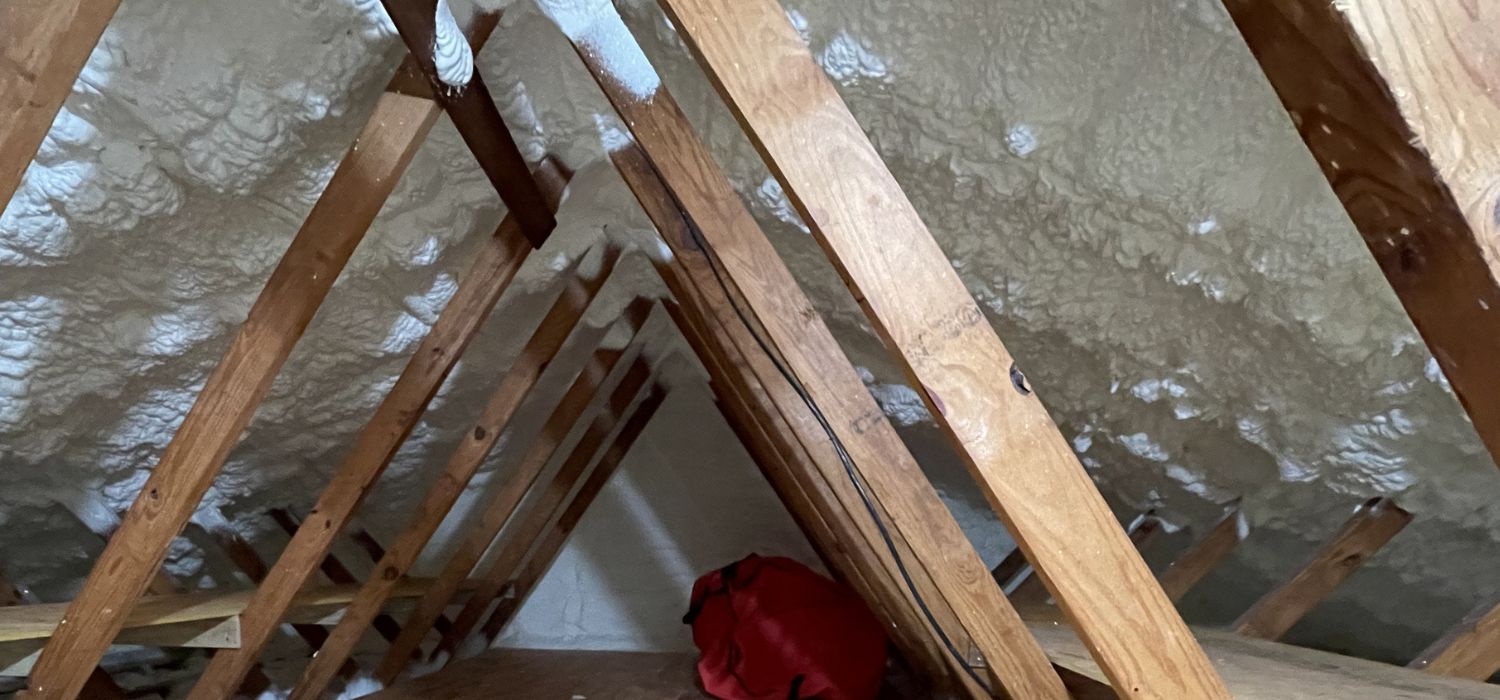
Insulating historic and older homes in Huntsville, AL, and Decatur, AL, requires solutions that improve energy efficiency while respecting architectural character. In this article, we outline how spray foam insulation reduces air leaks and moisture intrusion, explain the benefits of crawl space insulation, and describe potential energy savings.
Spray foam creates an airtight, durable thermal barrier that reduces drafts and energy loss while helping control moisture. Compared to loose-fill or batt insulation, spray foam better seals gaps and cracks common in older construction, helping preserve structural elements and reduce heating and cooling costs.
At Tennessee Valley Spray Foam LLC, we offer tailored spray foam services for historic homes, combining careful installation practices with an emphasis on preserving original materials and architectural details.
By sealing air leaks and filling irregular cavities, spray foam reduces heat transfer and stabilizes indoor temperatures. That improved envelope performance typically reduces heating and cooling loads and yields measurable utility savings over time. Many homeowners recoup part of the cost of insulation through lower bills and increased comfort, especially in homes with previously inadequate insulation.
Properly applied spray foam limits moisture intrusion by sealing gaps where humid air can enter, reducing conditions that promote mold. Controlling moisture is critical in older structures to protect wood framing, finishes, and historic fabric. In addition, limiting drafts and moisture movement can reduce airborne mold spores and improve overall indoor air quality.
Insulating crawl spaces stabilizes floor temperatures and humidity, which helps prevent rot, pest entry, and energy loss that affect the living space above. Sealing the crawl space also reduces cold floors and improves whole-house performance.
Proper crawl space insulation can extend the life of historic building components and reduce maintenance related to moisture and pests.
Many older homes lack modern insulation and ventilation in crawl spaces, allowing heat loss and moisture problems. Upgrading these areas addresses a common source of energy waste and helps protect structural timbers and finishes.
Addressing crawl space issues can reduce long-term repair costs while improving comfort and indoor air quality.
Our technicians prepare the crawl space by cleaning, sealing gaps, and improving drainage or vapor control as needed. Spray foam is applied with equipment that reaches irregular areas, providing a continuous insulating and air-sealing layer. Safety measures—ventilation, containment, and protective gear—are standard to protect occupants and installers during application.
Insulation upgrades with spray foam often reduce heating and cooling consumption. Exact savings depend on current construction, climate, and the scope of work. Many homeowners see improved comfort and lower seasonal bills after a complete envelope upgrade. Some projects also increase resale value, and local incentives or rebates may be available to offset costs.
Spray foam offers superior air sealing compared with fiberglass or cellulose and resists settling, which preserves performance. Its moisture resistance and adhesive qualities can make it a longer-lasting choice for older homes when installed correctly. These attributes often make spray foam a preferred option where airtightness and durability are priorities.
Tennessee homeowners may qualify for utility rebates or local incentives for insulation improvements. Checking with local utilities and government energy programs can identify available financial support.
Spray foam insulation is a practical option for improving energy efficiency and moisture control in historic and older homes in Huntsville and Decatur. Working with an experienced local insulation contractor, such as Tennessee Valley Spray Foam LLC, also helps ensure proper application and preservation of historic features. Contact a professional on our team today to evaluate your property and explore appropriate insulation strategies.
Properly installed spray foam typically performs for decades, and 20–30 years is a common lifespan. Good installation plus maintenance can extend that service life.
Spray foam is versatile but not always appropriate in every space. Professionals assess ventilation, moisture, and preservation needs before applying it.
When installed correctly, spray foam improves air sealing and reduces infiltration of pollutants and moisture, which often improves indoor air quality.
Yes. Using quality, low-VOC (volatile organic compound) products and following proper ventilation and installation practices makes spray foam safe for historic homes.
Maintenance is minimal. Periodic inspections to check for damage or moisture issues are recommended so repairs can be made promptly.
Do-it-yourself installation isn’t recommended for historic homes. Professionals have the training and equipment to protect the structure and achieve reliable results.
Address: Huntsville, AL 35802
Phone: (256) 932-3458
Business Hours:
Mon - Sat: 7:00 AM to 5:00 PM
Sun: Closed
Huntsville, AL • Madison, AL • Guntersville, AL • Scottsboro, AL • Decatur, AL • Hazel Green, AL • Fayetteville, TN • Meridianville, AL • Mt Carmel, AL • Priceville, AL • Mooresville, AL • Athens, AL • Woodville, AL • New Market, AL • Gurley, AL • Hartselle, AL • Arab, AL • Albertville, AL • New Hope, AL • Grant, AL
Jobber Financing
5% Discount for Active Military/Combat Veterans, First Responders, and Nurses
Lifetime Warranty on Spray Foam