Ever walk through your home and notice one room feels cool while another feels warm and sticky? Homes in Athens, AL, and Harvest, AL, deal with shifting temperatures and high humidity throughout the year, and those conditions tend to expose weak spots in crawl spaces and attics.
We work on homes across North Alabama and see the same patterns repeat: damp crawl spaces, underperforming attic insulation, and HVAC systems running longer than they should. When we address these areas the right way, the entire home starts to feel more balanced, efficient, and comfortable.
Athens and Harvest sit in a mixed-humid climate zone. That means heat, humidity, and occasional cold snaps all show up throughout the year. These conditions push insulation and air sealing systems to do more work than in milder climates.
Air naturally moves through a home. Warm air rises and escapes through the attic, while replacement air gets pulled in from lower levels, like the crawl space. If that lower space contains moisture or musty air, those conditions can carry upward into the living areas.
We focus first on stopping uncontrolled air movement. Once we limit airflow, insulation can do its job more effectively.
We typically start with the biggest problem areas:
Sealing these areas creates a stronger foundation for insulation upgrades.
Many homes in this area deal with crawl space moisture. That moisture often enters through the ground and moves upward into the home. When moisture builds up, it can lead to musty odors, wood damage, and conditions that support mold growth. Addressing this early makes a noticeable difference in air quality and comfort.
We treat moisture as a system that needs to be controlled from multiple angles:
When these elements work together, humidity levels stay more stable, and the home becomes easier to condition.
Closed-cell spray foam insulation performs well in crawl spaces because it provides insulation and air sealing in a single application. It also resists moisture movement better than many traditional materials. We often install it along rim joists and other tight areas where air and moisture tend to enter.
After moisture control, the next step is to reduce energy loss through the attic.
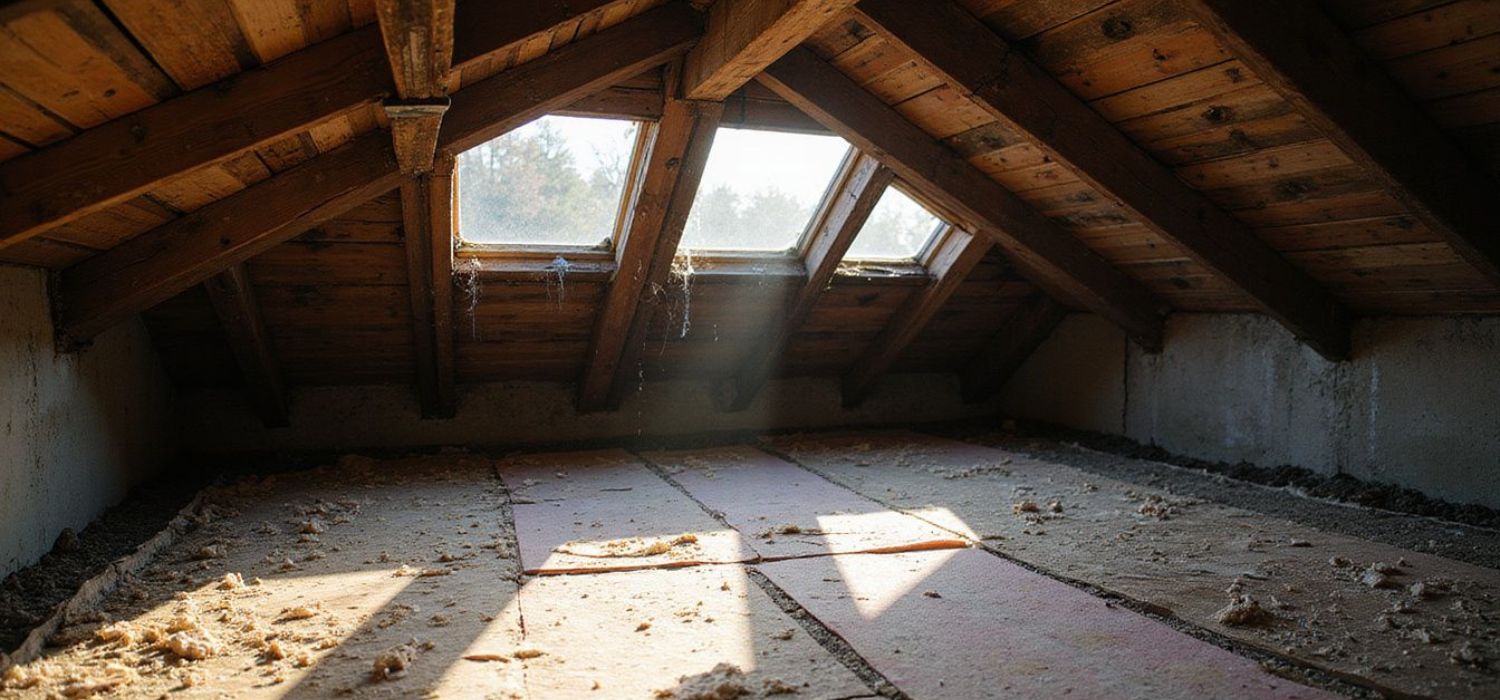
Many homes in Athens and Harvest still have insulation levels that fall below modern recommendations. Even if insulation is present, gaps and air leaks can limit its effectiveness. Air movement plays a major role here. If conditioned air escapes through the attic, your HVAC system has to work harder to maintain indoor temperatures.
For homes in this region:
We evaluate each home individually to determine the right approach based on structure, usage, and existing materials.
Different materials serve different purposes. We match the insulation type to the home’s area and performance goals.
Common products we use consist of the following:
The biggest difference comes down to air movement. Materials that allow air to pass through behave very differently from those that stop it.
When crawl space and attic insulation work together, the entire building performs better.
We often see improvements such as:
Addressing only one area can help, but tackling both creates a more complete solution.
Comfort goes beyond temperature. Air quality, humidity, and even noise levels all play a role in how a home feels. When we seal and insulate properly, homeowners often notice several changes:
These changes tend to show up quickly once insulation and air sealing improvements are complete.
Most insulation problems show up as small, everyday frustrations. Over time, those issues add up.
Drafts and excess humidity often point to air leaks and moisture movement. Musty odors can signal that crawl space air is entering the home. A simple humidity monitor can help identify elevated moisture levels in living areas.
Rising utility costs often trace back to insulation gaps or air leakage. When conditioned air escapes, your HVAC system has to work longer to keep up. We check insulation depth, attic bypasses, ductwork, and crawl space conditions to find the root cause.
If one room feels different from another, insulation gaps or airflow issues are usually involved. Warm air escapes through upper levels, which can pull outside air in from below. That cycle continues until the system is corrected.
Sealing and insulating a home changes how air moves through it. That usually improves efficiency and comfort, but older homes may require extra planning. Some materials in older structures need careful handling. We take that into account and recommend testing or additional steps when needed to maintain safe indoor air quality.
Homes in Athens and Harvest deal with a mix of heat, humidity, and seasonal changes that can strain insulation systems. Crawl spaces and attics often sit at the center of comfort and efficiency issues. Our insulation contractors focus on solving these problems by controlling moisture, sealing air leaks, and installing insulation that fits the structure. When those pieces come together, the home feels more consistent, energy use becomes more manageable, and indoor conditions improve. Contact us to learn more about how we can help keep your home comfortable.
Yes. Better insulation and air sealing help control humidity, which makes the environment less attractive to pests and reduces conditions that support mold.
Attic insulation helps keep heat out during summer and retains warmth during cooler months. This reduces HVAC workload and improves indoor comfort.
Many homeowners notice changes in energy usage within the first billing cycle, especially when air sealing and insulation improvements address major problem areas.
Crawl space insulation helps reduce energy loss, improve floor comfort, and limit moisture buildup. It also lowers the risk of mold and wood damage.
Address: Huntsville, AL 35802
Phone: (256) 932-3458
Business Hours:
Mon - Sat: 7:00 AM to 5:00 PM
Sun: Closed
Huntsville, AL • Madison, AL • Guntersville, AL • Scottsboro, AL • Decatur, AL • Hazel Green, AL • Fayetteville, TN • Meridianville, AL • Mt Carmel, AL • Priceville, AL • Mooresville, AL • Athens, AL • Woodville, AL • New Market, AL • Gurley, AL • Hartselle, AL • Arab, AL • Albertville, AL • New Hope, AL • Grant, AL
Jobber Financing
5% Discount for Active Military/Combat Veterans, First Responders, and Nurses
Lifetime Warranty on Spray Foam